
blog
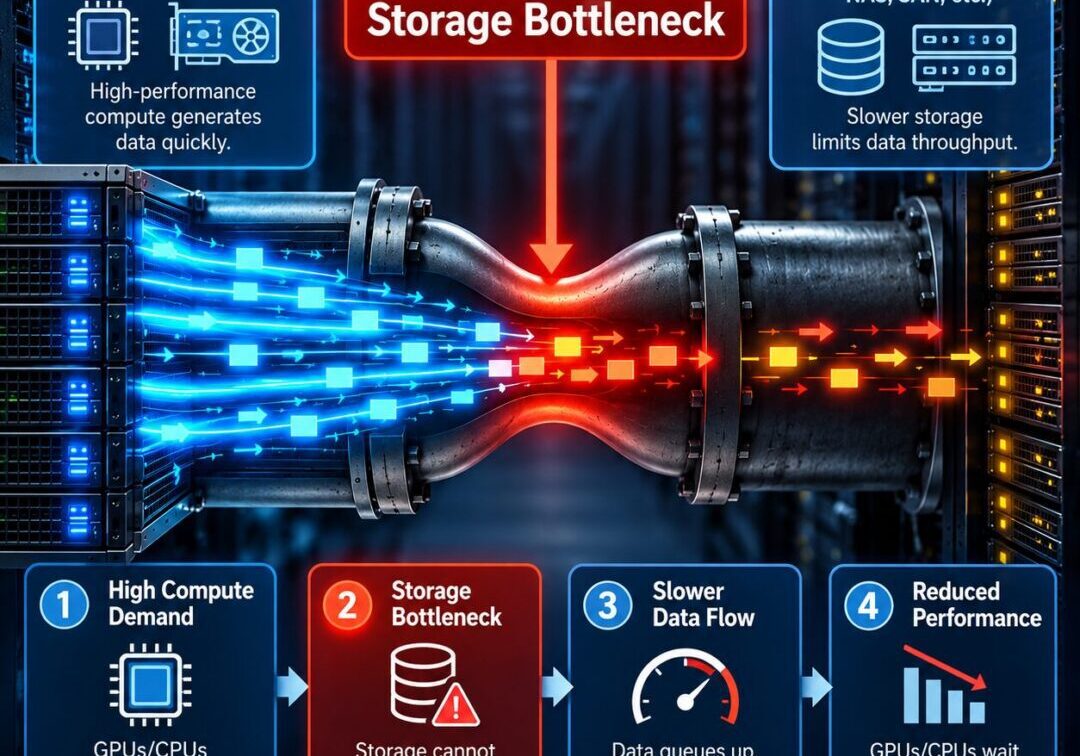
HPC Storage Bottlenecks: Need to Identify Before Adding Compute | Nor-Tech
When HPC applications run slower than expected, adding compute capacity may seem like the logical solution. However, additional CPUs or GPUs deliver limited benefits when storage cannot supply data quickly enough to keep existing resources productive. Identifying storage bottlenecks before...
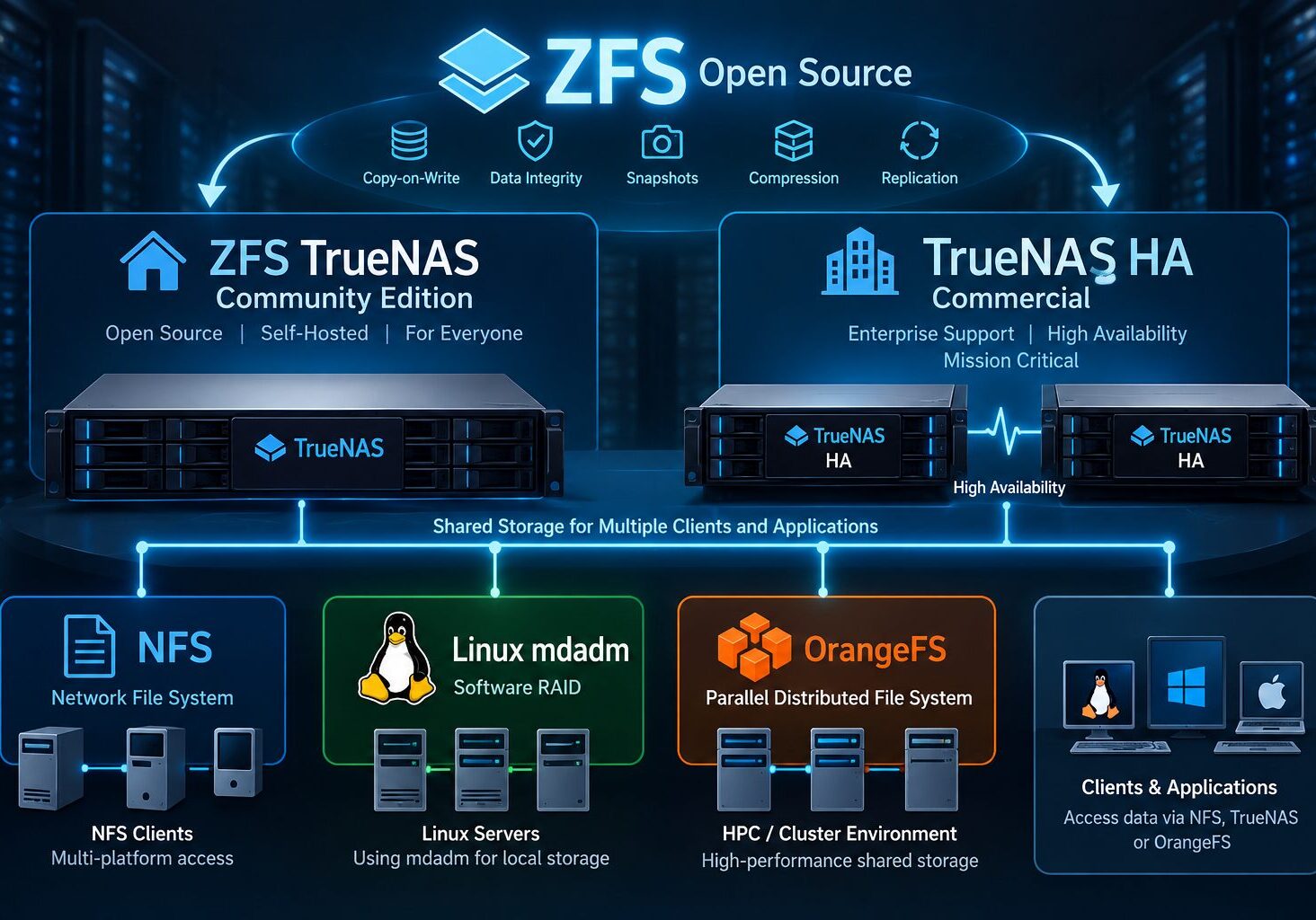
When Does Open-Source Storage Make Sense for HPC and AI? | Nor-Tech
Open-source storage platforms are increasingly popular for companies building high-performance computing (HPC) and artificial intelligence infrastructure. Solutions such ZFS Open Source, ZFS TrueNAS Community Edition and commercial TrueNAS HA, NFS, Linux mdadm and OrangeFS offer flexibility, scalability, and freedom from...
When Server Hardware is Tough to Procure, Engineering Matters Even More
Enterprises and research institutions investing in HPC, AI and advanced computing infrastructure are facing a challenge: Computing power continues to grow, but constrained supplies of chips, memory and other critical components are driving up costs and extending lead times. While...
Tiered Storage for HPC: Matching Data to the Right Storage Technology | Nor-Tech
HPC environments rarely have a single storage requirement. Active simulation data may demand extremely high throughput, temporary datasets may require low-latency access, and completed projects may need to remain available for years without consuming premium storage capacity. Treating all of...

NVMe Storage for HPC and AI: Where Does It Deliver the Greatest Value? | Nor-Tech
NVMe has become an important component of high-performance storage, particularly as HPC and AI systems place increasingly demanding requirements on data infrastructure. But deploying NVMe throughout an environment is not necessarily the most effective—or economical—strategy. The key question is...
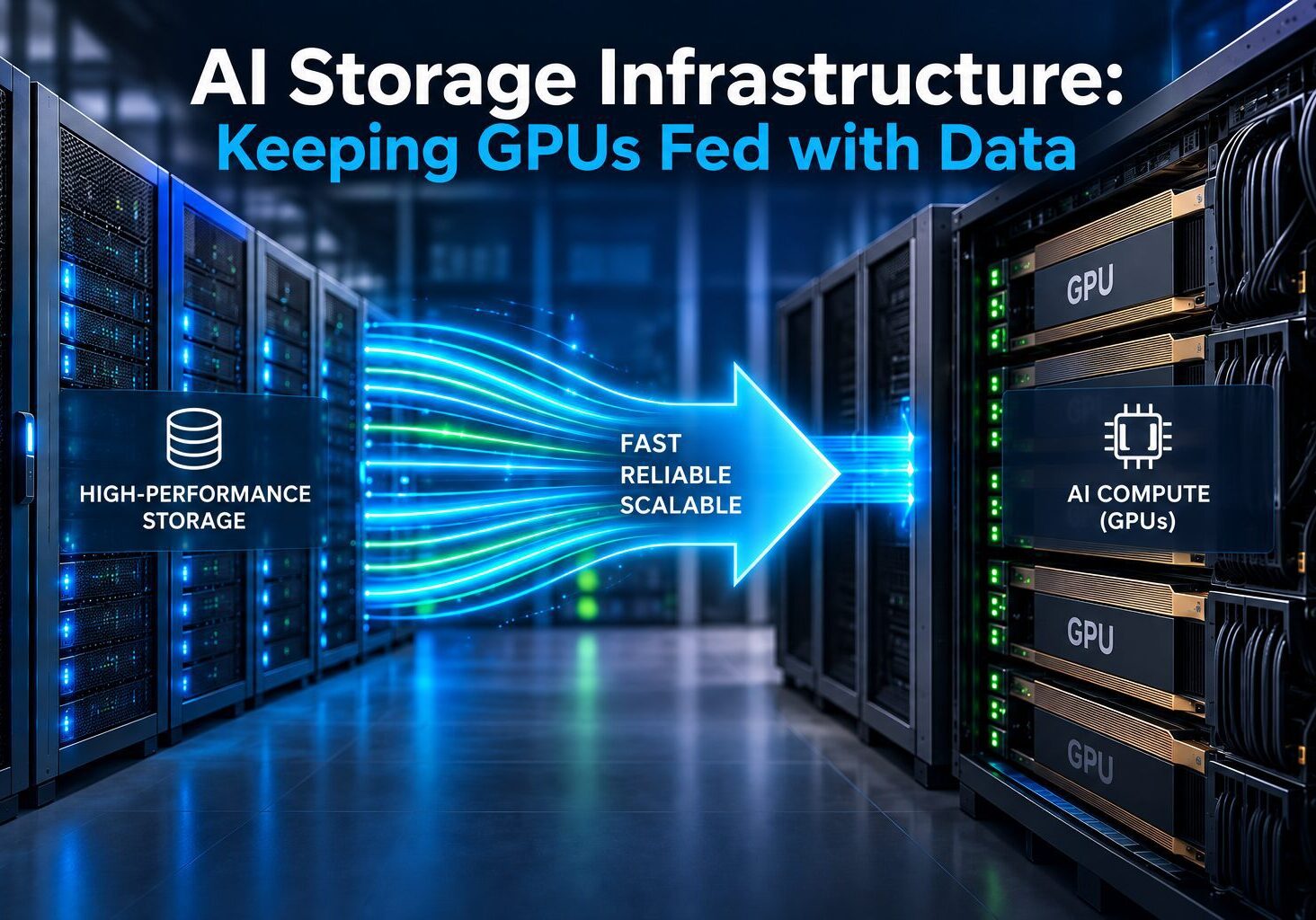
AI Storage Infrastructure: Keeping GPUs Fed with Data | Nor-Tech
GPU performance receives much of the attention in AI infrastructure, but expensive accelerators deliver limited value when they are waiting for data. For AI training environments in particular, storage must supply massive datasets rapidly and consistently enough to keep GPUs...
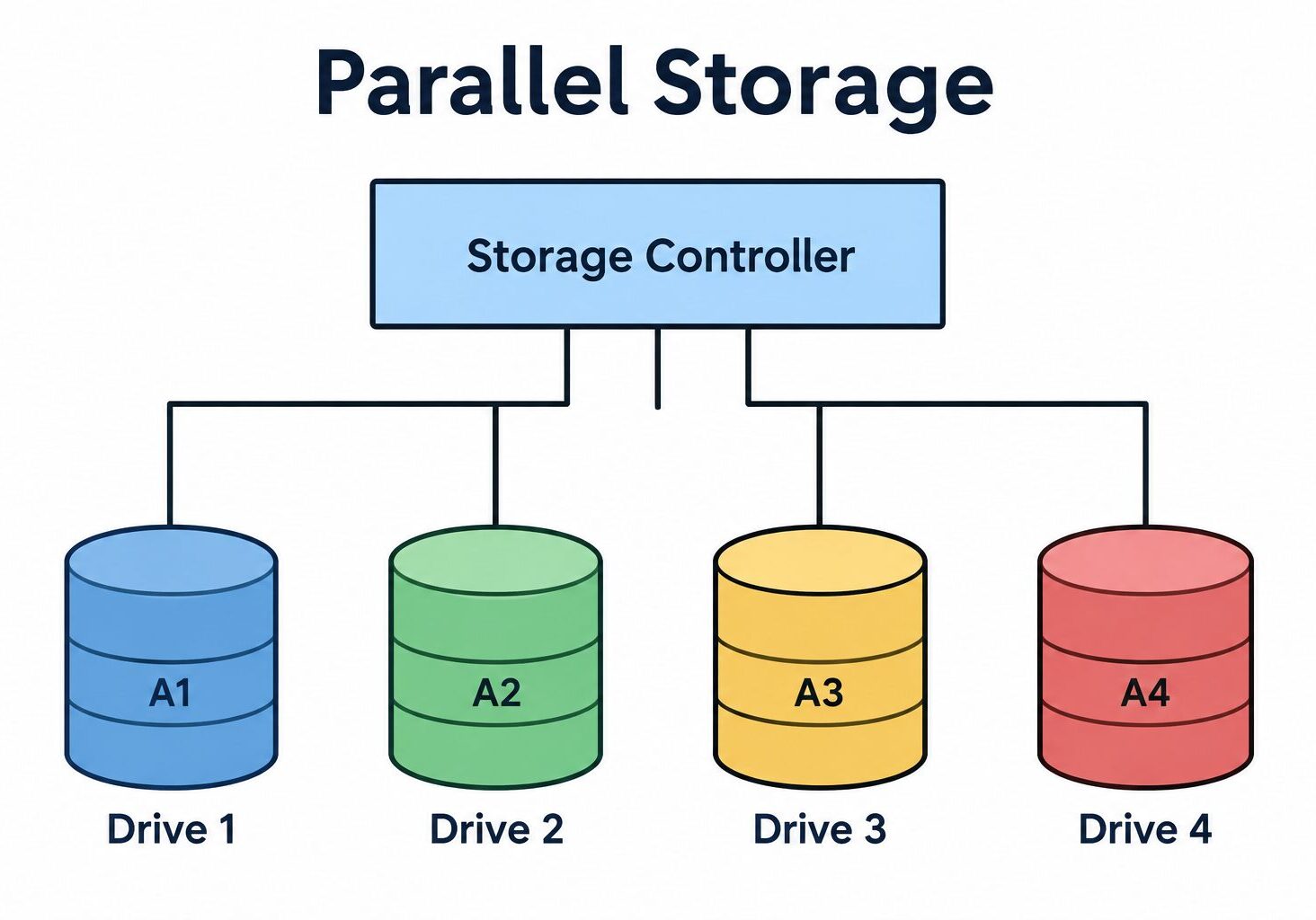
Parallel File Systems for HPC: When Do You Need One? | Nor-Tech
In high performance computing, storage performance can become a limiting factor long before compute resources are exhausted. A multitude of processes may need simultaneous access to shared datasets. At that point, conventional storage architectures can struggle to deliver the aggregate...

High Availability Storage for HPC: Eliminating Single Points of Failure | Nor-Tech
In HPC environments, storage availability is inseparable from compute availability. Hundreds of healthy compute nodes provide little value when a failed storage controller, network path, or metadata service prevents applications from accessing data. High availability (HA) storage addresses this risk...

How to Choose the Right Storage Architecture for HPC and AI Workloads | Nor-Tech
Storage is one of the defining performance variables in HPC and AI infrastructure. Adding compute capacity delivers limited value if the storage subsystem cannot feed CPUs and GPUs at the rate applications require. The right architecture starts with workload behavior....
Open Source AI Infrastructure Integration Best Practices
Open source software gives organizations extraordinary flexibility when building AI infrastructure. It can reduce licensing costs, limit vendor lock-in and provide access to a rapidly evolving ecosystem of frameworks, libraries and management tools. But open source does not automatically mean...